

Free · Open · Worldwide
Dive into the depths of Sikhi.
A free, open university anyone, anywhere can attend. Start at the surface and keep going — Sikh history, theology, philosophy, language, music and the arts, taught from authentic sources. The deeper you go, the more there is.
ਅੱਜ ਦਾ ਸ਼ਬਦShabad of the day
Read this Ang →Schools & departments
Nine schools. One university.
Every course belongs to a department — each with its own faculty, its own signature courses, its own front door. Step through the one that fits your question.

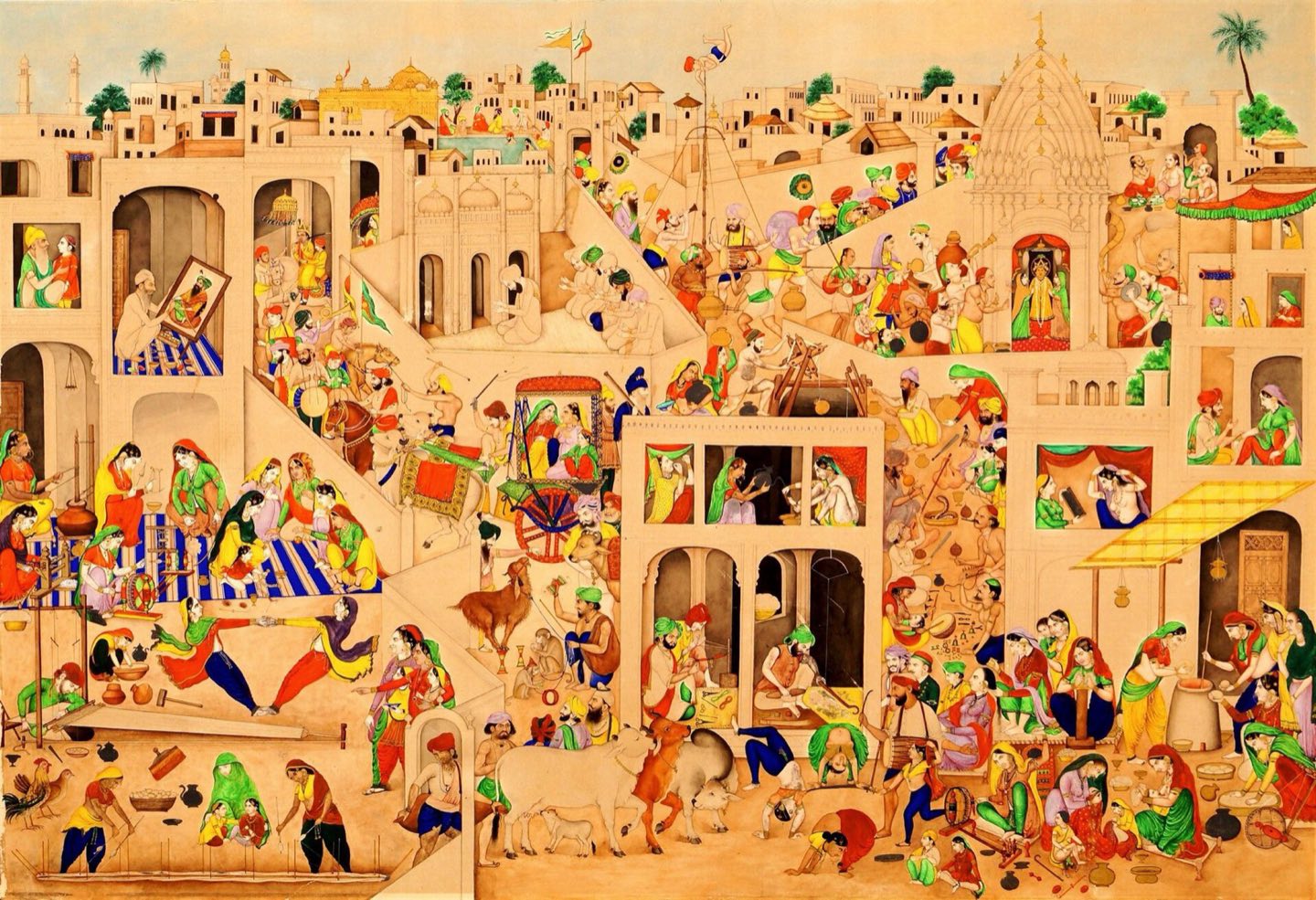
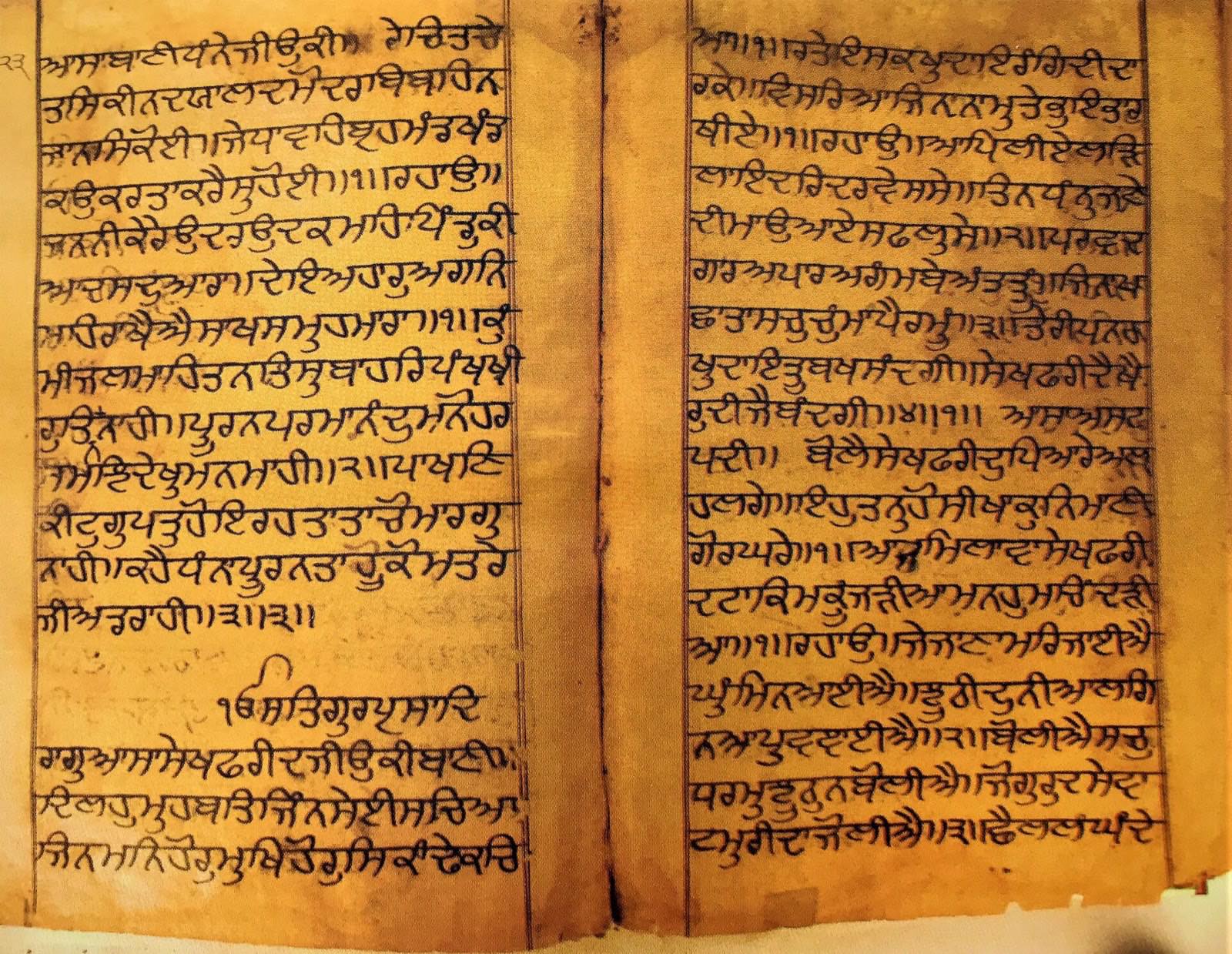
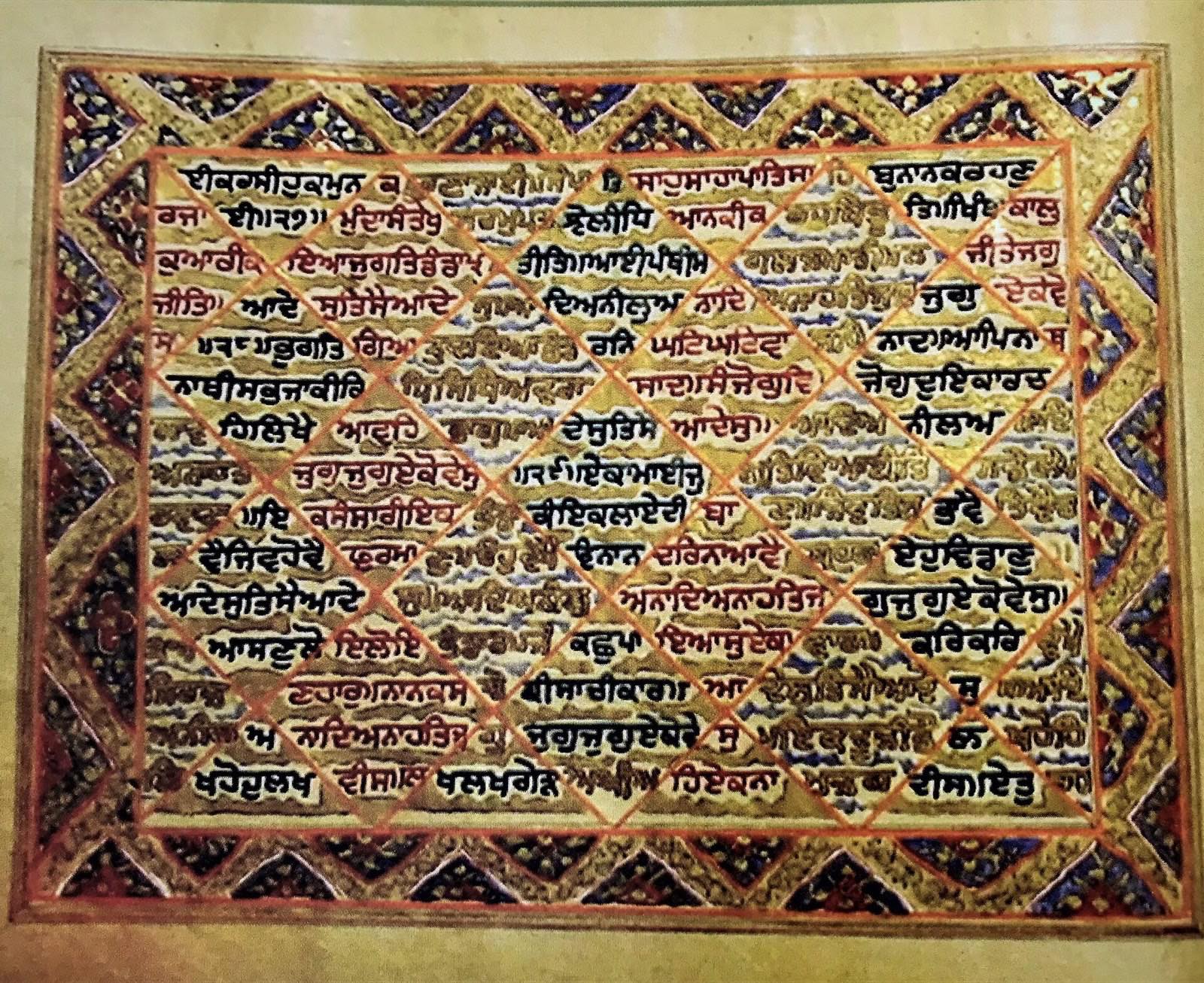

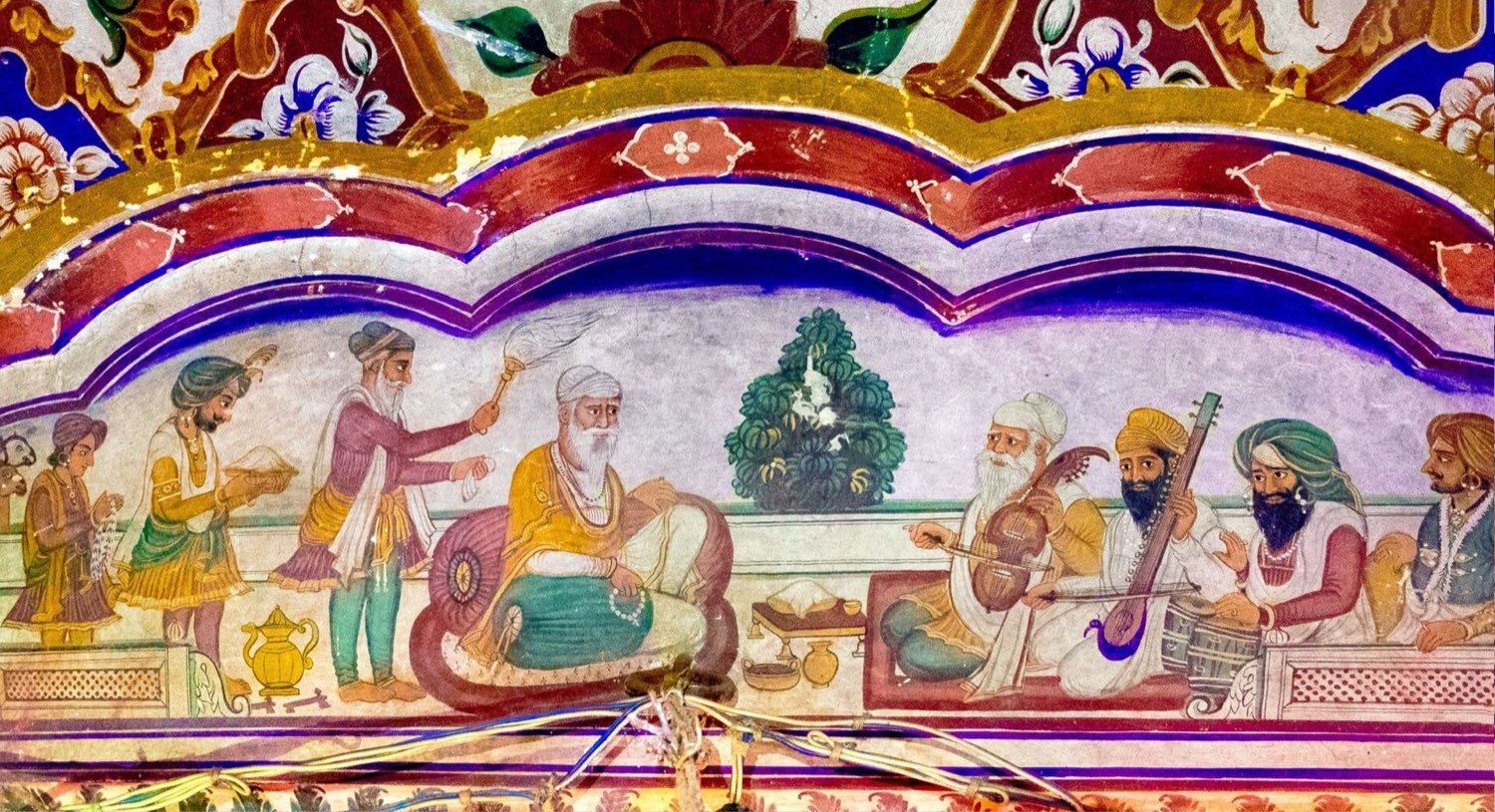


Our mission
From the wisdom of our ancestors to a living bond with Waheguru
We learn from those who came before us — the Gurus, the scholars, the saints and the soldiers — and carry their light forward. We begin with the basics of Sikhi and keep going into its depths, until one truth becomes unmistakable: that Sri Guru Granth Sahib Ji is the living Guru and the one universal Truth. And the real aim of all of it is simple — to build an intimate, personal relationship with Waheguru.
Learn from our ancestors
The Gurus, scholars, saints and soldiers whose lives and writings light the way — taught from authentic sources.
From the basics to the depths
Start with the simplest questions and follow them as far as you dare. The deeper you go, the more there is.
Sri Guru Granth Sahib Ji
The living Guru and the universal Truth. Every path here leads back to the Shabad — read it for yourself in our reader.
A relationship with Waheguru
Not just knowledge, but Naam, Simran and seva — a living, personal bond with the Divine.
First of its kind
Nothing like this has ever existed for Sikhi.
For generations, serious study of Sikhi required access to rare books, a living scholar, or years of searching. Sikhi University changes that — permanently. Every course, every seminar, every lesson is here, free, for anyone on Earth.

A complete academic ladder
100-level introductions to 500-level graduate seminars — the only Sikh learning platform with a full university-style curriculum, from your first question to doctoral depth.

Scholar-attributed courses
Every course is taught by a named scholar — Prof. Sahib Singh, Kavi Santokh Singh, Bhai Randhir Singh, Bhai Kahn Singh Nabha, Bhai Vir Singh and more — grounding each lesson in authentic, authoritative scholarship.

Open to the whole world
No fees. No visa. No Gurdwara nearby required. A Sikh in Kenya, Canada, Chile, or Australia gets the same world-class education as one sitting in Amritsar.

558+ courses across 23 subjects
Theology, philosophy, history, language, music, the arts, economics, science, health, parenting — Sikhi touches every dimension of life, and we cover all of it.

Graduate seminars that go all the way
Sikh hermeneutics. Manuscript paleography. Gurmat metaphysics. Comparative mysticism. For students who refuse to stop at the surface — we go as deep as there is to go.

Rooted in authentic sources
Every course draws from the Sri Guru Granth Sahib Ji, authenticated scholarly works, and the SikhLibrary dataset — not Wikipedia summaries or secondhand summaries.
For every generation
Built for Sikhs of today and tomorrow.
The Sikh diaspora spans every continent. Our children grow up in Toronto, London, Nairobi, Sydney, and São Paulo. They have questions that deserve real answers — not surface-level summaries, but deep, honest, scholarly engagement with Sikhi.
Sikhi University was built so that the next generation never has to choose between their heritage and their intellectual rigour. They can have both. They deserve both.
Institute of Technology
Learn to build — and build for the Panth.
Sikhi University's engineering wing teaches software and AI engineering from first principles, in a code lab that runs in your browser. Every phase is framed around what you could build for the sangat — Gurbani search, archive digitisation, Gurmukhi tools, gurdwara systems.
Twenty phases from setup to autonomous agents, a from-scratch coding dojo, the Claude Code guide, and a “Build for the Panth” capstone. Finish a phase, pass its server-graded exam, earn a verifiable certificate.
By the numbers

Begin today
Start your journey today.
It takes thirty seconds to begin. No sign-up required. Pick a course, start a lesson — and see how deep Sikhi really goes.
