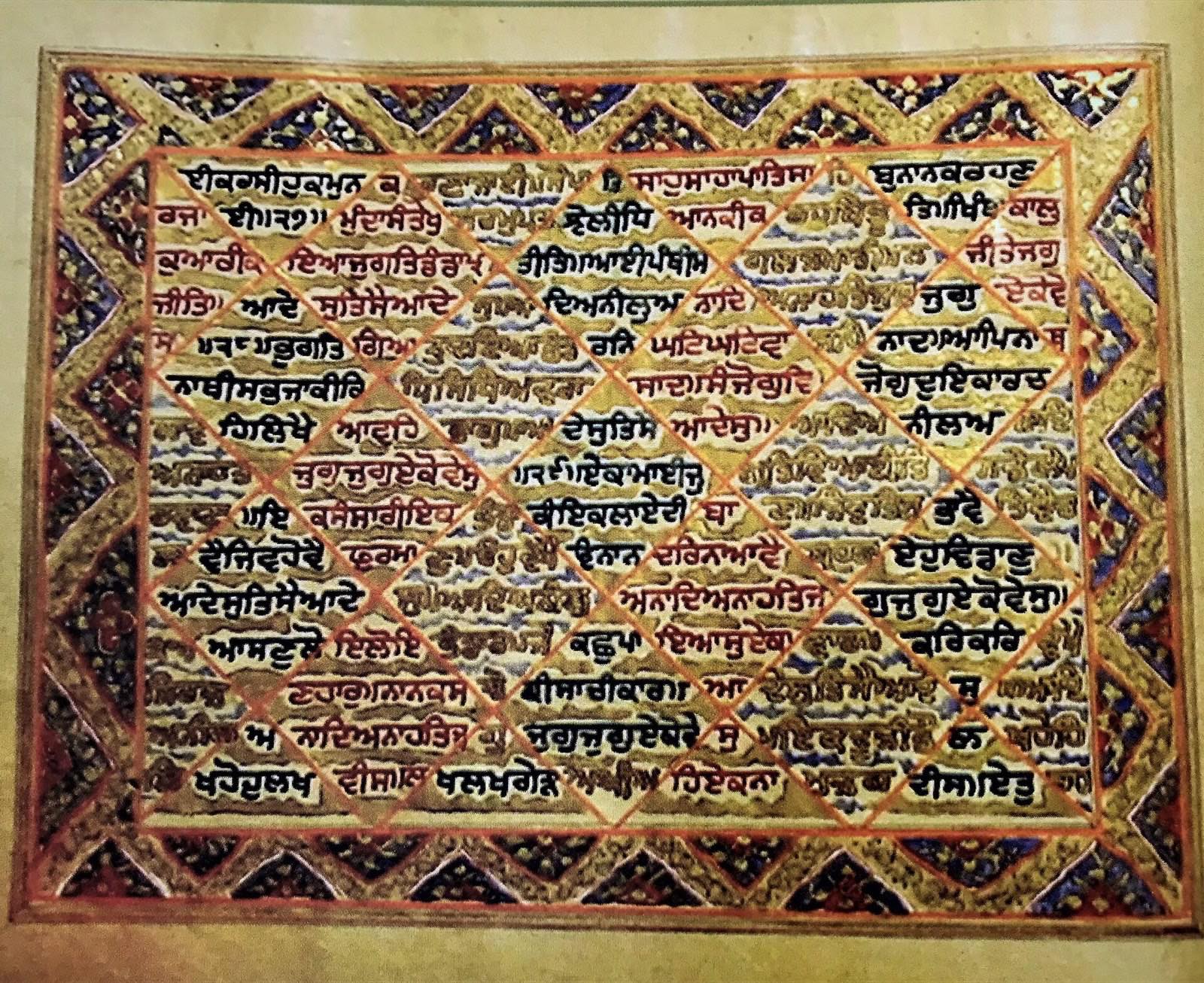
School within Sikhi University
School of Literature
The Guru's word is poetry first — and it keeps company with the world's.
Before Gurbani is theology or history it is poetry, and poetry asks to be read slowly. This school teaches close reading — the teeka tradition, prosody, narrative — of the Sikh canon itself, and then opens a comparative reading room: Gurbani's imagery next to Homer, the Gita, Rumi, not to flatten them into one thing but to hear each more clearly.
Explore the departmentRead slowly — the way the teeka tradition reads
The Sikh canon, and the world's classics next to it
Bhai Gurdas's vaaran, Bhai Nand Lal's Persian, the Dasam Granth poetry, Bhai Vir Singh and the modern Punjabi renaissance — read closely, with prosody and narrative theory — and then set beside Homer, the Gītā and Rumi in the comparative reading room below.
What you'll study
Three lines of work
The Sikh canon
Bhai Gurdas's vaaran, Bhai Nand Lal, the Dasam Granth poetry, Bhai Vir Singh and the modern Punjabi renaissance.
Commentary and close reading
The teeka tradition, Gurmat poetics, prosody and narrative theory — how meaning is built line by line.
The comparative reading room
The world's classics in verified public-domain translations — epic, scripture, philosophy — read next to the Sikh text.
Signature courses
Where to begin
Three courses that show the range of the department — an opening, a deep reading, a graduate seminar.
Faculty & sources
Taught from the authorities
Courses here are attributed to — and drawn from — the scholars whose work is definitive in the field.
The department curriculum
33 courses, 1 subject
Open a subject to see its courses, foundations through graduate.
Literature33 courses
The Hanuman Natak: An Introduction to Sikh Court Literature
This introductory course invites learners to encounter the Hanuman Natak — a Braj Bhasha dramatic poem composed by Hirdey Ram Bhalla in the early seventeenth century — as one of the earliest surviving literary works connected to the Sikh tradition's courtly milieu. Students will learn who Hirdey Ram was, what kind of text the Hanuman Natak is, how it draws on the Ramayana's Hanuman cycle while infusing bhakti devotion, and why it occupies a distinct and important place in the literary history of the Guru period. No prior knowledge of classical Indian literature is assumed.
A Survey of Sikh Literature
This course offers a guided academic survey of the Sikh literary tradition from its origins to the present day. Students learn to read, situate, and analyze the major works as literature and as cultural record rather than reproducing the sacred and classical texts themselves. The sweep runs from the poetic…
Bhai Nand Lal Goya: Life, Times, and Literary Legacy
A comprehensive intermediate study of ਭਾਈ ਨੰਦ ਲਾਲ ਜੀ "ਗੋਯਾ" (c. 1633-1713), the Persian-trained scholar of Ghazni who became one of the most beloved Sikhs of ਗੁਰੂ ਗੋਬਿੰਦ ਸਿੰਘ ਜੀ and one of the ਪੰਜ ਵਿਦਵਾਨ of the Anandpur court. The course traces his youth on the Mughal frontier, his service at the imperial court of Bahadur Shah, his transformative arrival at Anandpur Sahib, and his Persian and Punjabi compositions — ਦੀਵਾਨ-ਏ-ਗੋਯਾ, ਜ਼ਿੰਦਗੀਨਾਮਾ, ਗੰਜਨਾਮਾ, ਤਨਖਾਹਨਾਮਾ and others — situating him as the bridge between the classical Persian literary tradition and Sikh theology.
Jot Bigas and Rah-i-Rast: Bhai Nand Lal's Punjabi Works
This intermediate course examines the two Punjabi compositions of ਭਾਈ ਨੰਦ ਲਾਲ ਗੋਯਾ, the celebrated court poet of ਗੁਰੂ ਗੋਬਿੰਦ ਸਿੰਘ ਜੀ: the ਜੋਤਿ ਬਿਗਾਸ (Expansion of Divine Light) and the ਰਹਿਤਨਾਮਾ known as ਰਹਿ-ਇ-ਰਾਸਤ (The Straight Path). While ਭਾਈ ਨੰਦ ਲਾਲ is best remembered as a master of Persian verse, these two works reveal him writing in Punjabi for the Sikh ਸੰਗਤ, articulating the metaphysics of ਜੋਤਿ, the centrality of ਨਾਮ, devotion to the ਗੁਰੂ, and the ethical discipline of the ਖ਼ਾਲਸਾ. Students will analyze the theological content, the contrast between his Persian and Punjabi registers, his place in the ਰਹਿਤਨਾਮਾ tradition, and his lasting contribution to early Sikh literature. The course situates these texts in the historical context of the late seventeenth and early eighteenth centuries at ਅਨੰਦਪੁਰ ਸਾਹਿਬ.
Modern Sikh Literature with Bhai Vir Singh
A university-level survey of the life, works, and lasting influence of Bhai Vir Singh (1872-1957), the writer often called the father of modern Punjabi literature (ਪੰਜਾਬੀ ਸਾਹਿਤ). The course studies how his fiction, poetry, prose, and scholarship grew out of the Singh Sabha (ਸਿੰਘ ਸਭਾ) renewal and reshaped Sikh…
Sundari: The First Punjabi Novel and Its Sikh Vision
A literary and historical study of Bhai Vir Singh's Sundari (1898), widely held as the first Punjabi novel, and its companion works Bijay Singh and Satwant Kaur, set amid 18th-century Sikh persecution.
Bhai Gurdas: The First Interpreter of Gurbani
An academic study of Bhai Gurdas (c.1551-1636), the scribe of the Adi Granth and the earliest systematic interpreter of Sikh teaching. This course examines his life and proximity to the Gurus, his two great bodies of work, the Vaaran and the Kabitt Savaiye, and the reasons his writing is celebrated as the Gurbani…
Reading Sikh Festivals and Daily Life: The Descriptive Accounts of Abinash Mahapatra
This course studies a small body of descriptive writing attributed to Abinash Mahapatra, including "An Account of Baisakhi" and related accounts of Sikh festivals and everyday life. Rather than treating these texts as theology, we read them as descriptive sources: eyewitness-style records of what people did, wore,…
The Sikh Encyclopedic Tradition
This course introduces the encyclopedic and lexicographical legacy of Bhai Kahn Singh Nabha, centered on his monumental reference work the ਮਹਾਨ ਕੋਸ਼. Students learn how this dictionary-encyclopedia was built, how it explains the vocabulary of ਗੁਰਬਾਣੀ, and how to use it alongside his other works to study Sikh terms,…
The Singh Sabha Novels of Bhai Vir Singh
Bhai Vir Singh (1872-1957) is often called the father of modern Punjabi literature. Writing during the Singh Sabha movement, he used the new form of the novel to teach Sikh values, defend Sikh identity, and inspire courage and reform. This course studies his four major prose works in the SikhLibrary collection:…
The White Robe: Giani Jaswant Singh on Purity of Conduct and the Inner Life
This course studies the devotional and ethical writing of Giani Jaswant Singh, focusing on his work Chita Chola, whose title means "the white robe." The white robe is a plain but powerful image: just as a white garment shows every stain, a sincere life shows every fault of the heart. Through this image the author…
Bhai Hira Singh Dard: Letters, Journalism, and the Writing of Sikh History
This course studies the life-in-letters of Giani Hira Singh Dard (1889-1965), a Punjabi poet, journalist, and editor who came of age during the Gurdwara Reform (Akali) movement. We read him as a maker of modern Punjabi prose and verse, as the founding editor of the monthly Phulwari and an assistant editor of the…
Bhai Vir Singh: Father of Modern Punjabi Literature
An author-as-professor course examining the life, work, and enduring legacy of Bhai Vir Singh (1872-1957), the writer widely honored as the father of modern Punjabi literature. The course traces his role in the Singh Sabha renaissance, surveys his major works across novels, epic and lyric poetry, and scriptural…
Ghazaliyat of Bhai Nand Lal: Sikh Persian Poetry
An advanced literary and theological study of the ਗ਼ਜ਼ਲੀਆਤ (Ghazaliyat) of ਭਾਈ ਨੰਦ ਲਾਲ ਗੋਯਾ, the foremost Persian poet of the court of ਗੁਰੂ ਗੋਬਿੰਦ ਸਿੰਘ. The course reads the Persian ghazal as a vessel for ਗੁਰਮਤਿ: students master the formal architecture of the ghazal (ਮਤਲਾ, ਰਦੀਫ਼, ਕਾਫ਼ੀਆ, ਮਕਤਾ, ਤਖ਼ੱਲੁਸ), trace how Goya transforms the Sufi vocabulary of divine love into devotion to the Guru as ਮਹਿਬੂਬ (Beloved), and situate his verse beside ਰੂਮੀ and ਹਾਫ਼ਿਜ਼. Special attention is given to how Goya names ਵਾਹਿਗੁਰੂ within Persian imagery, the doctrine of ਫ਼ਨਾ (annihilation of the self) recast as merger in the Guru, and the place of his ਦੀਵਾਨ-ਏ-ਗੋਯਾ in the broader Sikh literary canon.
Guru Gobind Singh Ji as Poet: Jaap Sahib, Swayye, Akal Ustat, and the Zafarnama
This course offers close literary analysis of Guru Gobind Singh Ji's major poetic works: the Jaap Sahib, Tav Prasad Swayye, Akal Ustat, and the Persian Zafarnama. Students examine the Guru's multilingual poetic genius, his use of classical Indian and Persian literary forms, and the theological and political ideas encoded in each composition. The course draws on the scholarly edition of the Dasam Granth and comparative literary analysis to reveal the breadth and depth of the Guru's literary legacy.
Poetic Figures in Gurbani: Reading Alankaar with Giani Pritam Singh Likhari
This course studies the art of poetic figures, or ਅਲੰਕਾਰ, as they appear in Gurbani, following the traditional study method preserved in the Damdami Taksal lineage. Drawing on the author's writing on ਅਲੰਕਾਰ, students learn how the Gurus use comparison, image, and sound to carry deep meaning. We focus on simile…
Rana Surat Singh: Spiritual Epic Poetry by Bhai Vir Singh
An advanced study of Bhai Vir Singh's Rana Surat Singh, the first major Punjabi blank-verse epic, tracing its spiritual narrative of grief, nature imagery, and the soul's journey toward divine peace.
Reading Bhai Gurdas Ji's Kabitt Savaiye Through Giani Mal Singh's Steek
This course studies the Kabitt Savaiye of Bhai Gurdas Ji through the lens of the steek (line-by-line commentary) attributed to Giani Mal Singh of Darbar Sahib. Bhai Gurdas Ji is honored within the Sikh tradition as a foundational poet whose Punjabi Varan and Braj-language Kabitt Savaiye illuminate Gurbani. The…
Reading the Hanuman Natak: Hirdey Ram Bhalla and the World of Braj Court Poetry
This course studies the Hanuman Natak, a Braj-language poetic work attributed to Hirdey Ram Bhalla, and treats it as a piece of classical literature rather than scripture. We learn who Hirdey Ram was as a court-connected poet in the literary world around the time of Guru Gobind Singh Ji, what kind of text the…
The Kuka Movement in Punjabi Letters: Swaran Singh Virk's Literary History of Namdhari Reform
This course studies the nineteenth-century Kuka (Namdhari) movement of Punjab as it is reflected in Punjabi literature, and it examines Swaran Singh Virk's literary-historical survey of that body of writing in his study Kuka Lehar Da Panjabi Sahit ('The Punjabi Literature of the Kuka Movement'). The Namdhari…
The Poetry of Bhai Vir Singh
Bhai Vir Singh (1872-1957) is widely honored as the father of modern Punjabi literature. This course studies him as a pioneering poet who carried Punjabi verse beyond its older devotional and heroic molds into a fresh lyric form shaped by personal feeling, close observation of nature, and the soul's longing for the…
Zindagi Nama: Bhai Nand Lal's Autobiography in Verse
An advanced literary and devotional study of the Zindagi Nama (Book of Life), the great Persian masnavi of ਭਾਈ ਨੰਦ ਲਾਲ ਗੋਯਾ, court-poet of ਗੁਰੂ ਗੋਬਿੰਦ ਸਿੰਘ ਜੀ. Reading the poem as a versified spiritual autobiography, the course traces Goya's journey from Persianate scholar of Ghazni and Multan to a ਗੁਰਸਿੱਖ at Anandpur Sahib, and examines how the masnavi form carries an interior account of the ਗੁਰੂ-ਸਿੱਖ relationship, ਨਾਮ ਸਿਮਰਨ, and the ethics of devotion. Students learn to read the Zindagi Nama both as world literature in the masnavi tradition and as a unique first-person witness to life in the Guru's court, while attending to its theology of ਅਕਾਲ ਪੁਰਖ, ਹੁਕਮ, and ਬੰਦਗੀ. Key concepts and terms are presented in Gurmukhi Unicode throughout.
Bhai Nand Lal Goya: Poet of the Guru's Court
An in-depth study of Bhai Nand Lal Goya (1633-1713), the celebrated scholar-poet who served in the court of Guru Gobind Singh Ji and is counted among its fifty-two poets. This course examines his life, his major Persian and Punjabi works such as the Divan-i-Goya and Zindagi-nama, the central themes of devotional…
Classical Sikh Poetics
An academic introduction to the classical poetic forms used in Sikh literature, studied through the great narrative works of Kavi (Bhai) Santokh Singh. The course examines metre, figures of speech, mood, and the heroic ballad, and asks how poetic form helps shape religious and historical meaning.
Pandit Gulab Singh Nirmala and the Adhyatam Tradition: A Reader's Guide to Nirmala Spiritual Literature
This course studies the author Pandit Gulab Singh, a leading Nirmala scholar of the eighteenth and nineteenth centuries, and his place in Punjabi devotional writing. It centers on his work in the adhyatam (spiritual-allegorical) style, best known through his retelling associated with the Adhyatam Ramayan. Students…
Praise of the Ten Gurus: Reading Bhai Nand Lal's Ganj Namah through Giani Gurvinder Singh Nangli's Teeka
This course studies Bhai Nand Lal Ji's Persian poem Ganj Namah ('the Book of Treasure'), a devotional work that praises each of the Ten Gurus in turn. We read it through the modern teeka (explanatory edition) prepared by Giani Gurvinder Singh Nangli, who opens the dense Persian imagery for ordinary readers. In…
The Ideal Life of Love: Bhai Nand Lal's Zindagi-nama Through a Sampardai Lens
This course studies Bhai Nand Lal Ji's Persian devotional poem Zindagi-nama as it is opened up by Sant Kirpal Singh's traditional commentary, the Zindagi Nama Sampardai Teeka. In plain English, we ask a simple question: what does it mean to live the ideal life of love for the Guru and the Divine? Bhai Nand Lal, a…
Hanuman Natak: Braj Bhasha, Devotion, and Theological Themes
This advanced course subjects the Hanuman Natak to sustained scholarly analysis across three interconnected domains: its Braj Bhasha language and literary craft, its devotional (bhakti) architecture and poetic theology, and the theological themes it shares with and distinguishes from Gurbani and the wider Sikh tradition. Students engage with the poem as a serious literary artifact, examine its metrical and rhetorical structures, interrogate its theological claims and their limits, and situate it within comparative bhakti scholarship. The course assumes familiarity with the introductory Hanuman Natak courses.
Bhai Vir Singh: Advanced Literary and Theological Study
This graduate seminar provides an advanced study of Bhai Vir Singh (1872–1957) — poet, novelist, editor, and scholar — as the central figure in modern Sikh literary and intellectual history. Students engage critically with his major works across genres (poetry, fiction, commentary, journalism), analyzing their literary strategies, theological concerns, and historical significance. The course situates Bhai Vir Singh at the intersection of the Singh Sabha reformist movement, colonial modernity, and the Punjabi literary renaissance he embodied and shaped.
Gurmat Poetics: Rasa, Meter, and Sacred Aesthetics
This graduate seminar undertakes a systematic study of the poetics of the Guru Granth Sahib, examining the literary dimensions of Gurbani through the frameworks of classical Indian aesthetics (rasa theory, dhvani), Sanskrit prosody, and the specific formal conventions of the SGGS's raag-organized composition. Students develop analytical capacities for close reading of Gurbani as literary-theological text.
Manuscript Studies and Textual Criticism of Sikh Sacred Texts
This graduate seminar applies the methods of codicology, paleography, and textual criticism to the manuscript traditions of Sikh sacred texts, with particular focus on early Granth manuscripts. Students examine scribal practices, manuscript transmission, textual variants, and the construction of the scriptural canon from the Kartarpuri Bir through the standardization of the nineteenth century.
Sikh Narrative Theory and the Janamsakhi Tradition
This graduate seminar applies narrative theory to the study of Sikh hagiographic literature, with particular focus on the <span class='gur'>ਜਨਮਸਾਖੀ</span> tradition and the <span class='gur'>ਗੁਰਬਿਲਾਸ</span> genre. Students engage with contemporary narratological frameworks alongside traditional Sikh literary critical approaches, analyzing how narrative structures, character, point of view, and genre conventions shape the theological meanings of Sikh hagiographic texts. The course develops advanced competence in the literary analysis of Sikh devotional narrative.
The Punjabi Intellectual Tradition: Bhai Gurdas to Modern Scholarship
This graduate seminar traces the arc of Punjabi intellectual and literary tradition from the compositions of Bhai Gurdas in the early seventeenth century through the literary renaissance of Bhai Vir Singh in the late nineteenth and early twentieth centuries to contemporary Punjabi scholarship. Students engage the major figures, texts, and themes of the Punjabi intellectual tradition in their historical and theological contexts, analyzing the relationship between literary form, religious thought, and community identity. The seminar is essential for scholars of Punjabi literature, Sikh theology, and South Asian intellectual history.
Start where your question is
You do not need a background, an application, or a fee. Pick a course and begin — the department is here whenever you want to go deeper.
The comparative reading room
66 of the world's classics, in verified public-domain translations
Hosted on our sister project, Sikhi.io, with a Gurmat commentary alongside each. Advanced literature courses draw on this shelf directly — Gurbani's imagery read against the epic, the scripture and the philosophy of other traditions.
